
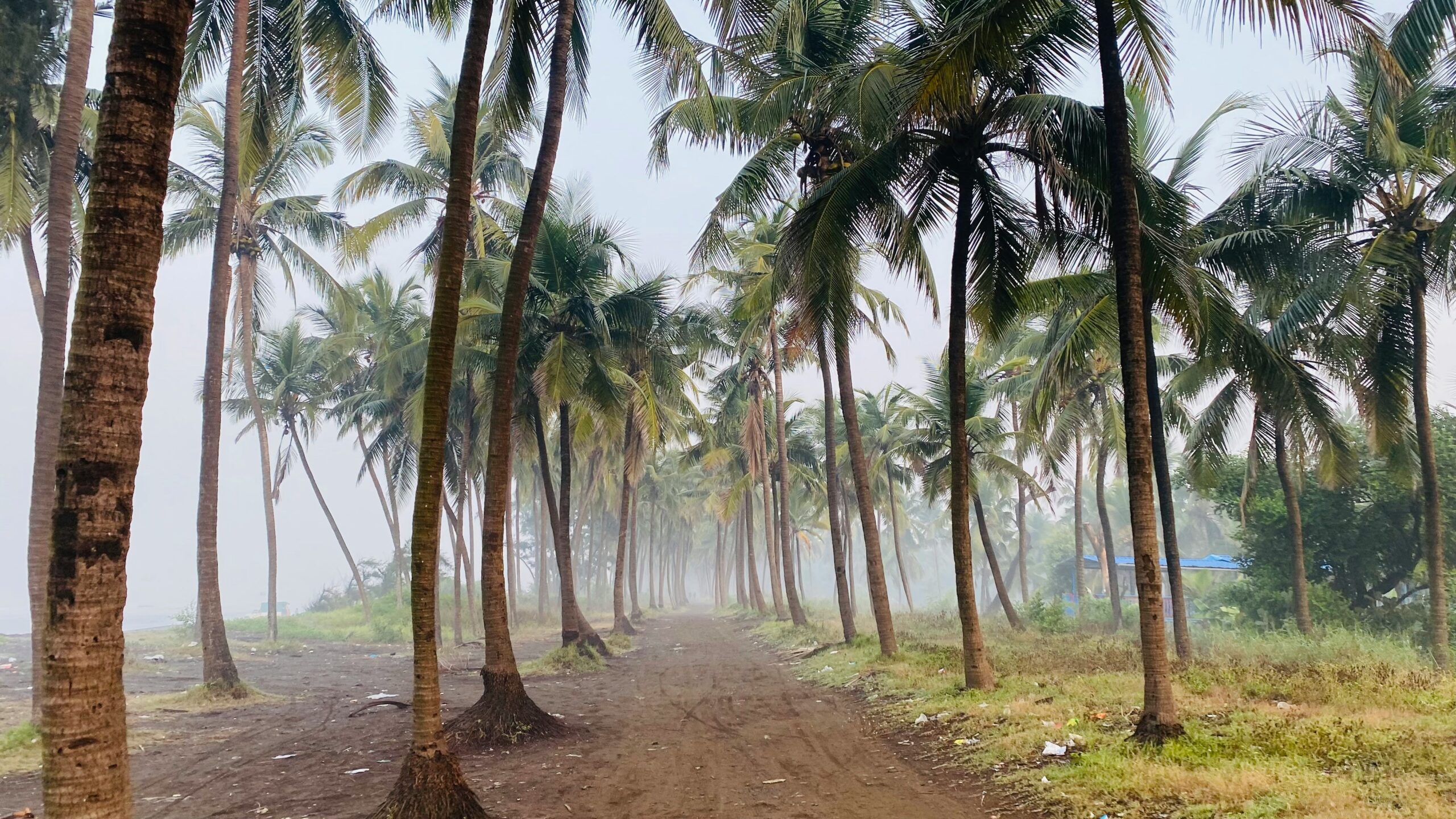
Sure, here is a professional travel news article based on your subject line:
Headline: Monsoon Magic in Goa: Unveiling 8 Offbeat Escapes for a Serene Rainy Season Getaway
Lead Paragraph: As the monsoon clouds gather, painting the skies over Goa in shades of dramatic grey, a new narrative emerges for the state’s travel scene. Moving beyond the bustling beaches and vibrant nightlife that define its peak season, Goa is increasingly positioning itself as a tranquil, offbeat escape during the rainy months. This shift highlights a burgeoning trend towards sustainable and experiential travel, offering discerning visitors a chance to explore the region’s lush, rain-kissed landscapes, cascading waterfalls, and serene cultural sites, promising a truly seamless and soulful journey away from the crowds.
Body Paragraphs:
Goa, often synonymous with sun-drenched sands and lively parties, undergoes a remarkable transformation during the monsoon (typically June to October). The arid landscapes burst into vibrant green, rivers swell, and hidden waterfalls reveal themselves, creating a picturesque canvas that’s a stark contrast to its winter avatar. This natural rejuvenation presents a unique opportunity for travelers seeking peace, nature, and authentic cultural immersion, moving away from the typical beach-centric itinerary.
“The monsoon in Goa offers a completely different, yet equally captivating, experience,” says Mr. Rohan Mendonca, a senior official with the Goa Tourism Development Corporation (GTDC). “We’ve observed a growing interest from travelers who prefer tranquility, sustainable tourism, and exploring Goa’s rich hinterland. Our focus is now on promoting these ‘green’ itineraries and highlighting the state’s natural beauty beyond the conventional hotspots. The monsoons unlock a side of Goa that many have never seen – a vibrant, calm, and deeply authentic landscape.”
This pivot towards offbeat monsoon tourism aligns with broader regional travel trends. Post-pandemic, there’s been a noticeable increase in demand for less crowded, nature-centric destinations, with travelers prioritizing wellness, local experiences, and eco-tourism. Goa, with its diverse ecosystem, is perfectly poised to meet this demand. “Earlier, monsoon meant a dip in tourist numbers, but now we’re seeing a steady rise in niche segments, including nature photographers, wellness enthusiasts, and trekkers,” adds Ms. Priya Sharma, a seasoned travel agent based in Jaipur. “They are looking for experiences that connect them with nature and local culture, which Goa delivers beautifully during the rains.”
Here are 8 offbeat spots to explore in Goa during the rainy season, offering a blend of nature, culture, and adventure:
-
Dudhsagar Waterfalls (Bhagwan Mahavir Wildlife Sanctuary): While popular, the monsoon truly brings this majestic four-tiered waterfall to life. The trek through the Bhagwan Mahavir Wildlife Sanctuary to reach it is an adventure in itself, with lush greenery and teeming wildlife. Practical Tip: Entry requires permission, and jeep safaris operate depending on rain intensity. Book organized tours for convenience.
-
Mollem National Park & Tambdi Surla Temple: Nestled within the Western Ghats, Mollem National Park is a haven for biodiversity, offering enchanting trails during the monsoon. The star attraction here is the 12th-century Tambdi Surla Mahadev Temple, Goa’s oldest temple, a stunning example of Kadamba architecture, beautifully framed by rain-washed foliage. Practical Tip: Wear sturdy, waterproof shoes. The roads can be muddy, but the journey is rewarding.
-
Netravali Wildlife Sanctuary & Mainapi Waterfall: Located in South Goa, Netravali offers a more secluded experience. The highlight is the Mainapi Waterfall, a lesser-known gem that cascades vigorously during the rains. The bubbling lake, a unique natural phenomenon, also draws curious visitors. Practical Tip: Engage a local guide for treks, as paths can be slippery and some areas remote.
-
Chorla Ghats: This serene region on the Goa-Karnataka-Maharashtra border is a biodiversity hotspot. Monsoon transforms it into a misty paradise with numerous small waterfalls, dense forests perfect for birdwatching, and thrilling trekking trails. Swapnil Naik, a local naturalist, remarks, “Chorla Ghats reveal their true ecological splendor during the monsoon. It’s a goldmine for endemic species and a breath of fresh air for city dwellers.”
-
Savoi-Verem Spice Plantations: Experience Goa’s aromatic side by visiting its spice plantations, which thrive in the monsoon. Witness spices like pepper, cardamom, and cinnamon at their freshest. Many plantations offer guided tours and traditional Goan meals. Practical Tip: Carry an umbrella or raincoat. Most tours are conducted under sheltered pathways.
-
Cotigao Wildlife Sanctuary: Goa’s second-largest wildlife sanctuary, Cotigao, is quieter than Mollem but equally enchanting in the rains. Its dense forest cover makes it ideal for observing diverse flora and fauna, including various bird species. The tree-top watchtower, accessible by a short trek, offers panoramic views.
-
Ancestral Goa (Big Foot Museum) in Loutolim: For a cultural monsoon outing, visit this open-air museum that recreates a traditional Goan village, showcasing its heritage and lifestyle. It’s mostly sheltered, making it perfect for a rainy day. Practical Tip: Offers a great insight into Goan history and folklore. Check opening hours before visiting.
-
Goa’s Hidden Springs & Lakes (e.g., Kesarval Spring, Mayem Lake): The monsoon replenishes Goa’s many natural springs and lakes. Kesarval Spring, known for its medicinal properties, flows vigorously. Mayem Lake, surrounded by dense forests, offers serene boating experiences. Practical Tip: Inquire locally about accessibility and water levels, as heavy rains can affect some locations.
Traveler Perspective: “I usually avoid Goa during the monsoon, thinking it’s all about beaches,” says Anjali Desai, a software engineer from Bengaluru who recently returned from a monsoon trip to Goa. “But this time, my friends convinced me to try a ‘green Goa’ trip, and it was mind-blowing! We trekked to Dudhsagar, explored the misty Chorla Ghats, and found so much peace. The lushness was incredible, and there were hardly any crowds. It truly felt like an authentic escape, a perfect detox from city life.”
Conclusion: Goa’s embrace of monsoon tourism signifies a mature evolution in its tourism strategy, moving beyond its sun-and-sand image to promote its diverse natural and cultural heritage. The ease of access, combined with a growing emphasis on unique, experience-led travel, positions Goa as an attractive destination for the discerning monsoon traveler in 2025 and beyond. As the state continues to invest in infrastructure and promote these offbeat locales, visitors can expect even more refined and immersive experiences, solidifying Goa’s reputation as a year-round paradise, each season offering its own distinct charm. This monsoon, forget the conventional, and discover a serene, verdant, and truly magical Goa.